
How Your Diet Could Be Secretly Sabotaging Your Prostate
You probably don’t think about your prostate when reaching for a snack. But some of the most common foods in your fridge or pantry could be quietly inflaming that walnut-sized gland — and messing with more than just your bathroom habits.
For men over 50, diet plays a major role in prostate health. What you eat can either reduce inflammation and improve urinary flow — or make things worse by irritating your prostate and disrupting hormone balance.
In this article, we’ll explore:
- The worst foods for your prostate (and why they’re so harmful)
- Easy dietary swaps you can make today
- What to eat instead for better bladder, prostate, and bedroom health
1. Red Meat and Processed Meats
Why It’s Harmful: Saturated fats and carcinogens in red and processed meats (like bacon, sausage, hot dogs) can raise inflammation levels in the body. Several studies link high red meat consumption to a higher risk of prostate problems — including cancer.
Better Option: Try lean protein sources like salmon (rich in anti-inflammatory omega-3s), turkey breast, or plant-based protein like lentils and beans.
2. Dairy Products
Why It’s Harmful: Milk, cheese, and yogurt may increase levels of insulin-like growth factor 1 (IGF-1), a hormone associated with prostate cell growth. Dairy has also been linked to increased risk of prostate cancer in some observational studies.
Better Option: Opt for almond, oat, or coconut milk. Try dairy-free yogurt made from cashews or soy. Sprinkle nutritional yeast instead of cheese for a savory flavor.
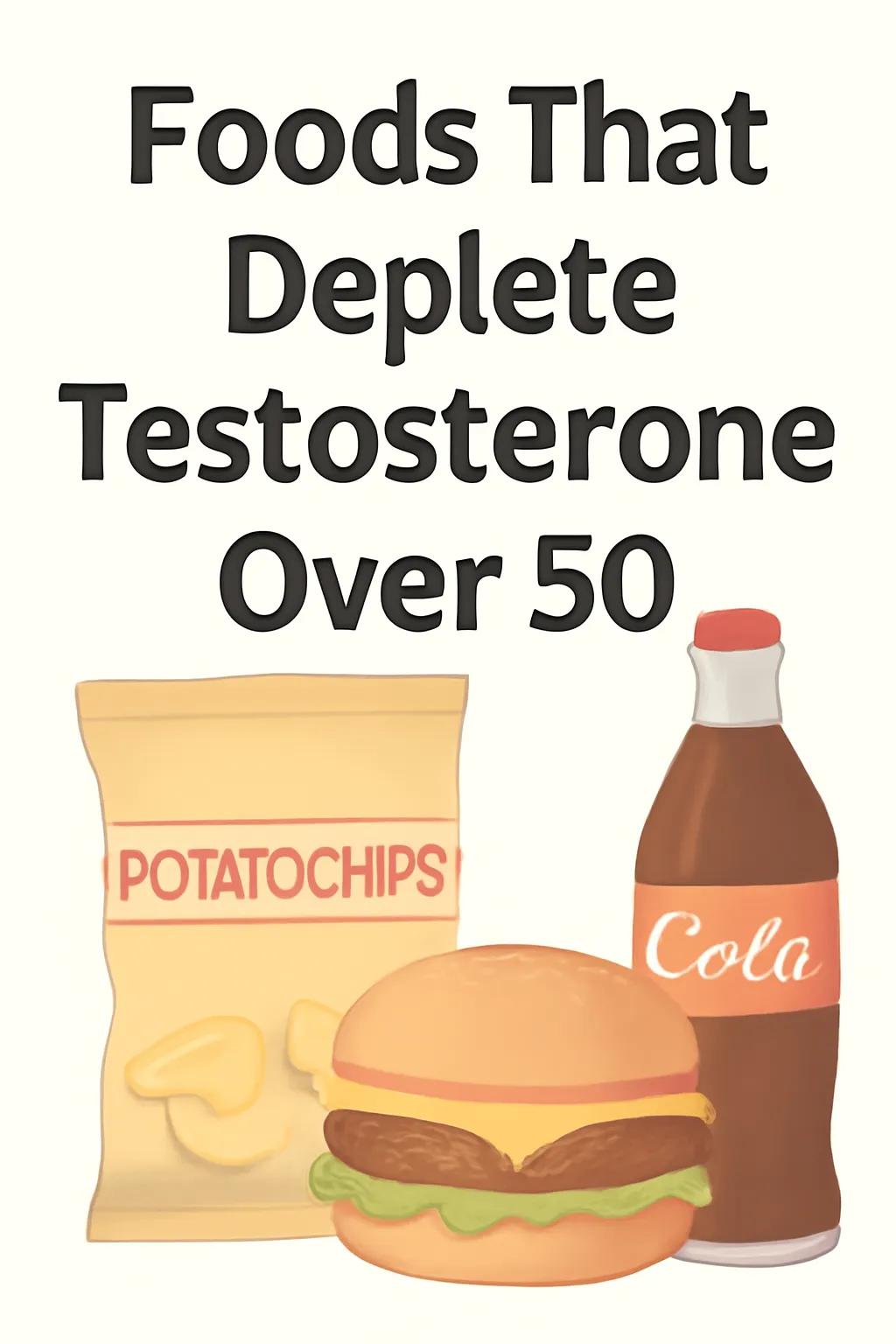
3. Fried and Fast Food
Why It’s Harmful: These foods are loaded with trans fats and refined oils that spike inflammation. They also contribute to weight gain, which puts extra pressure on your bladder and worsens urinary symptoms.
Better Option: Choose grilled or baked versions. Cook at home using olive oil or avocado oil. Focus on anti-inflammatory herbs like turmeric, ginger, and garlic.
4. Alcohol and Caffeine
Why It’s Harmful: Both can irritate the bladder and stimulate the prostate, leading to more frequent urges and discomfort. Alcohol also interferes with hormone balance, which affects prostate function.
Better Option: Hydrate with water or herbal teas like nettle or green tea (which may support prostate health). If you drink, keep it moderate — no more than 1–2 drinks per day.
5. Sugary Foods and Sodas
Why It’s Harmful: Sugar fuels inflammation and insulin resistance, which in turn can stress the prostate. Soda and sugary snacks also wreak havoc on blood sugar and energy levels.
Better Option: Satisfy sweet cravings with fruit, dark chocolate (70%+ cacao), or snacks sweetened with stevia or monk fruit.
What to Eat Instead — A Prostate-Smart Plate
A prostate-friendly diet includes:
- Tomatoes: Rich in lycopene, an antioxidant linked to lower prostate inflammation.
- Cruciferous vegetables: Broccoli, cauliflower, and Brussels sprouts support hormone detox.
- Pumpkin seeds: Natural source of zinc for prostate function.
- Berries: Loaded with antioxidants to fight oxidative stress.
- Green tea: May reduce risk of prostate issues over time.
Bonus Tip: Support from Nature
Diet helps — but sometimes, your prostate needs more support than spinach alone can give.
That’s where Brazilian Wood comes in. This natural supplement blends Muira Puama, Catuaba Bark, and L-Arginine to promote healthy circulation, pelvic muscle tone, and hormone balance — all crucial for prostate and sexual health.
“I changed my diet and started taking Brazilian Wood. Within weeks, I was waking up fewer times at night and felt more confident in the bedroom.”
Want to support your prostate naturally? Click here to discover how Brazilian Wood helps.
FAQ: Diet and Prostate Health
Can diet really affect prostate health?
Absolutely. What you eat influences inflammation, hormone levels, and prostate size.
Do I have to give up all red meat and dairy?
Not necessarily — but reducing your intake and choosing better alternatives can make a big difference.
How soon will I notice changes?
Many men report improvements in urinary symptoms and energy within a few weeks of cleaning up their diet.
Did You Know? Lycopene (from cooked tomatoes) becomes more bioavailable when paired with healthy fat — like olive oil. Hello, tomato sauce!