
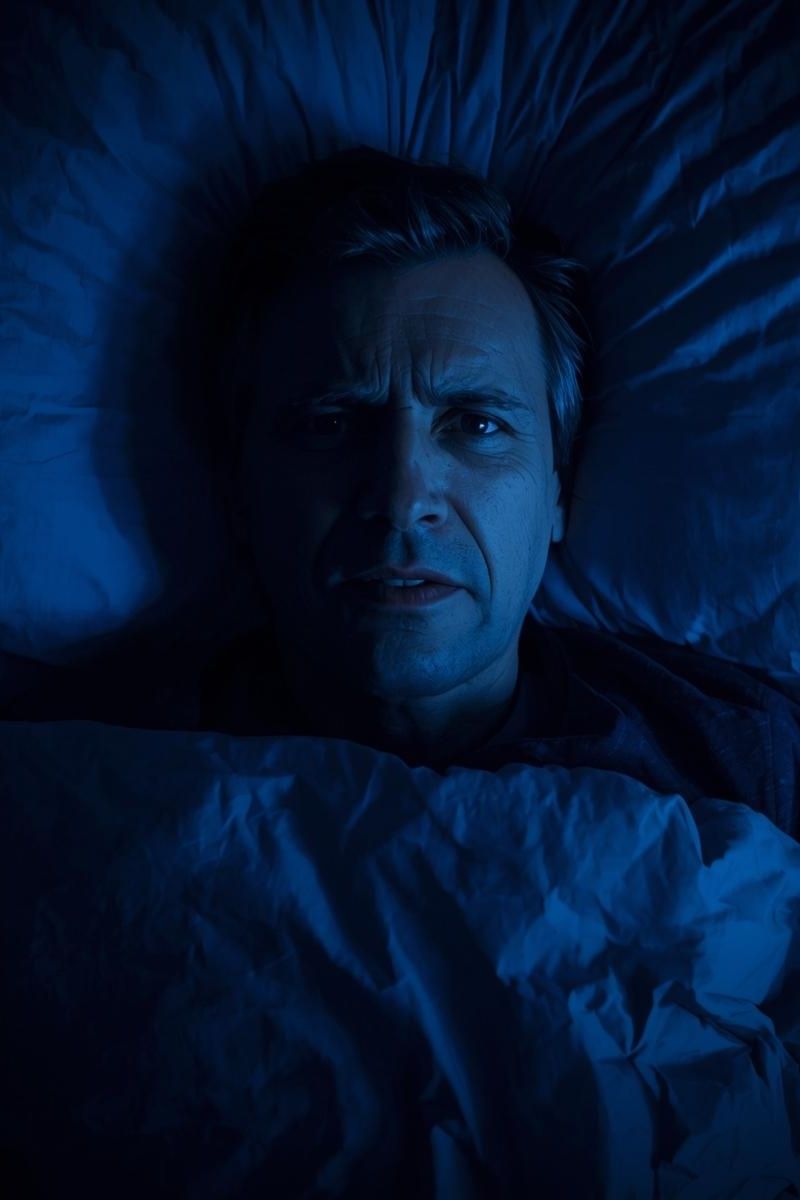
In recent years, a growing number of men have reported a frustrating and often overlooked issue: waking up during the night to urinate.
For many, it starts subtly — once per night, perhaps dismissed as a minor inconvenience. But over time, it becomes a pattern. Interrupted sleep. Fatigue during the day. A quiet sense that something in the body has shifted.
This phenomenon, known as nocturia, is becoming increasingly common, particularly among men over 40. Yet despite its prevalence, it is rarely discussed outside clinical settings.
What’s driving this trend — and what does it reveal about men’s health today?
A Common Problem, Often Ignored
Research suggests that nocturia affects a significant portion of the male population. According to data published in medical journals and summarized by organizations such as the National Institutes of Health, the likelihood of waking during the night to urinate increases steadily with age.
For men over 50, it is not uncommon to wake up once, or even multiple times, per night.
While this is often attributed to normal aging, that explanation alone may be too simplistic.
Because the real issue is not just the act of waking — but what it disrupts.
Sleep plays a critical role in regulating hormones, supporting cognitive function, and maintaining metabolic health. When sleep is fragmented night after night, the consequences can extend far beyond fatigue.
The Hidden Cost of Interrupted Sleep
Even one interruption per night can reduce the quality of deep sleep, the stage responsible for physical recovery and hormonal balance.
Studies have shown that disrupted sleep is associated with:
- decreased testosterone levels
- impaired glucose regulation
- increased stress hormone activity
Studies have also linked nocturia to broader health outcomes. Over time, this can contribute to broader health concerns, including reduced energy, difficulty concentrating, and increased risk of chronic conditions.
In this sense, waking up at night is not just a symptom — it may be an early signal.
What’s Actually Causing It?
While nocturia is often linked to prostate changes, particularly benign prostatic hyperplasia (BPH), the underlying causes are usually more complex.
Several factors tend to overlap:
1. Changes in the Prostate
As men age, the prostate can enlarge, placing pressure on the bladder and increasing urinary frequency.
2. Fluid Regulation and Hormones
The body’s production of antidiuretic hormone (ADH), which helps regulate urine production at night, may decline with age. This leads to increased nighttime urine production.
3. Lifestyle Factors
Modern habits play a significant role:
- late-night fluid intake
- caffeine and alcohol consumption
- high stress levels
Each of these can disrupt the body’s natural rhythms.
4. Sleep Disorders
Conditions such as sleep apnea are increasingly recognized as contributing factors. In fact, poor sleep and nighttime urination often reinforce each other in a difficult-to-break cycle.
A Modern Health Pattern
What makes this issue particularly interesting is how it reflects broader shifts in modern life.
Compared to previous generations, many men today experience:
- more sedentary lifestyles
- higher stress levels
- irregular sleep patterns
- increased exposure to artificial light
These factors do not just affect sleep — they influence hormonal balance, metabolic health, and recovery.
In that context, nocturia may not be an isolated issue, but part of a larger pattern.
Why It’s Rarely Talked About
Despite its prevalence, nighttime urination remains a topic that many men avoid discussing.
Part of this is cultural. Men are often less likely to seek help for issues perceived as minor or age-related. There is also a tendency to normalize symptoms rather than investigate them.
But normalization can delay awareness.
And in some cases, early symptoms are the body’s way of signaling that something needs attention.
Looking at the Bigger Picture
Not every case of nocturia indicates a serious condition. In many cases, it can be managed through lifestyle adjustments or a simple medical evaluation.
However, its growing frequency raises a broader question:
Are these nighttime disruptions simply a result of aging — or are they a reflection of how modern lifestyles are affecting men’s health?
Understanding the answer requires looking beyond the symptom itself.
Because sometimes the smallest interruptions reveal the biggest patterns.
About the Author
Rickard Österholm writes about men’s health, lifestyle, and behavioral patterns at MalevaHealth.com, where he focuses on identifying overlooked health trends and translating them into practical insights.