
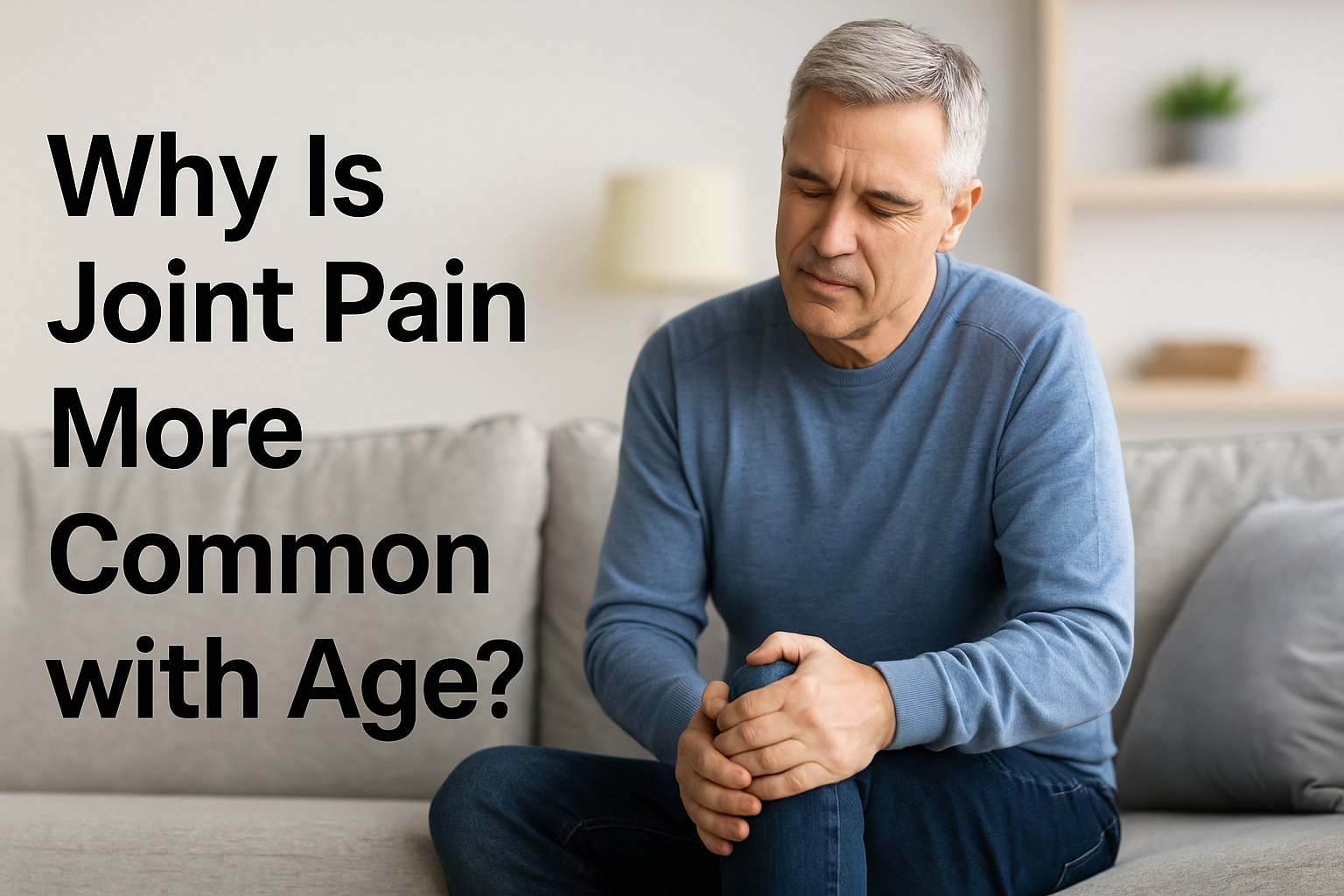
You wake up one morning and your knee feels stiff. Or maybe your fingers ache after a long day, but you haven’t done anything out of the ordinary. No fall, no workout, no injury. So what’s going on?
Joint pain without injury is more common than you might think, especially for adults over 50. And while it’s easy to blame age, the truth is a lot more complex — and fixable.
In this article, we’ll break down the seven most common reasons your joints hurt when you haven’t been injured, how to spot early warning signs, and what the latest science says about supporting joint comfort and mobility naturally.

1. Inflammation: The Silent Trigger Behind Everyday Joint Pain
Inflammation is one of the most common — and overlooked — reasons for joint pain, even when there’s no injury. Your immune system is designed to protect you. However, sometimes, it becomes confused and mistakenly attacks healthy joint tissue. That’s what happens in many forms of arthritis, including osteoarthritis and rheumatoid arthritis.
Even low-grade inflammation can make your joints feel swollen, stiff, or achy. And the older you get, the more likely your body is to produce these “silent fires” without an apparent cause. Factors such as stress, poor sleep, or a high-sugar diet can subtly increase inflammation levels.
What you can do:
- Eat anti-inflammatory foods like turmeric, ginger, and leafy greens.
- Stay hydrated and avoid processed sugars.
- Engage in regular movement — even gentle stretching can be beneficial.
🧠 Fun fact: Studies have shown that people with chronic joint pain often have elevated markers of inflammation in their blood, even without any visible injury.
2. Dehydration and Joint Lubrication
You may not think of water as something that affects your knees or hips, but it does. Your joints are like hinges, and they’re cushioned by a slippery substance called synovial fluid. This fluid helps your bones glide smoothly when you move. But without enough water? That cushion starts to dry up.
Dehydration reduces the amount and thickness of synovial fluid, making joints feel stiff or even painful. And because your body prioritizes vital organs over joints when water is low, even mild dehydration can affect how your joints feel.
This becomes increasingly important as you age because older adults tend to have lower total body water and may not feel thirsty even when they need fluids.
What you can do:
- Aim for 6–8 glasses of water daily, especially in warm weather.
- Add hydrating fruits like cucumber, watermelon, or oranges.
- Avoid too much caffeine or alcohol, which can dehydrate you further.
💡 Tip: If you notice your joints ache more in the morning or after sitting for long periods, dehydration could be one of the reasons.
3. Aging and the Natural Loss of Cartilage
As we age, it’s normal for some parts of the body to wear down, and cartilage is no exception. Cartilage is the smooth, rubbery tissue that cushions your joints and helps them move freely. But over time, this cushion gets thinner and less flexible.
That’s when your bones start rubbing more closely together, especially in the knees, hips, and spine. This can lead to stiffness, grinding sensations, or a dull ache — even if you haven’t injured the joint.
The process is known as degenerative joint disease or osteoarthritis, and it often begins silently in your 40s or 50s.
What you can do:
- Support your joints with nutrients like collagen and hyaluronic acid (we’ll cover this in more detail soon).
- Stay active to maintain blood flow to the cartilage.
- Don’t “rest too much” — motion keeps joints nourished.
📊 Did you know? By age 50, most people have at least some cartilage loss in one or more joints, even if they haven’t had an injury.
4. Poor Circulation = Poor Joint Health
Healthy joints need oxygen and nutrients, and those come from your blood. When circulation is weak, your joints may not get the support they need to repair and stay strong. This can lead to joint pain, swelling, or a “heavy” feeling in your knees or legs.
Poor blood flow is pervasive in adults over 50, often associated with a sedentary lifestyle, high blood pressure, or diabetes. Over time, weak circulation can slow healing and increase inflammation in your joints.
What you can do:
- Walk daily to boost blood flow — even 10–15 minutes helps.
- Try natural circulation boosters like beetroot, L-citrulline, or grape seed extract (more on these in other posts).
- Elevate your legs occasionally to support healthy circulation.
🧬 Science spotlight: Studies show that nitric oxide, a natural compound made by your body, plays a significant role in widening blood vessels and delivering nutrients to your joints.
📎 Internal link: Read more about natural ways to improve blood flow and performance.
5. Hidden Nutrient Deficiencies That Weaken Joints
Sometimes, your joints hurt simply because they’re missing the building blocks they need to stay strong. And you might not even know it.
Common deficiencies linked to joint pain include:
- Vitamin D3 – Helps regulate calcium and supports bone structure. Low levels are associated with increased joint discomfort.
- Magnesium – Needed for muscle and nerve function. Without enough, your joints may feel stiff or sore.
- Vitamin K2 – Works with D3 to send calcium to your bones (instead of your joints or arteries).
- Omega-3 fatty acids – Found in fish oil, they help lower inflammation naturally.
These nutrients are often overlooked in modern diets, especially for individuals over 50, who may not absorb nutrients as efficiently as they once did.
What you can do:
- Have blood work done to check for vitamin D and magnesium levels.
- Add fatty fish (like salmon), leafy greens, and seeds to your meals.
- Consider taking a supplement — but consult your doctor first.
🧠 Insight: Studies have shown that individuals with joint pain often have lower levels of vitamin D, particularly in colder climates or during winter months.
6. Stress and Hormones: The Joint Pain Link Most People Miss
Stress doesn’t just affect your mind — it can also hurt your joints.
When you’re stressed, your body produces more cortisol, the “stress hormone.” While cortisol is helpful in emergencies, excessive levels over time can wear down cartilage and increase inflammation. It also makes your muscles tighter, which can put pressure on your joints.
In women over 50, hormone changes during menopause can also affect joint health. Dropping estrogen levels can lead to more stiffness and aches, even without injury.
What you can do:
- Try deep breathing, stretching, or gentle yoga.
- Get enough sleep — your joints heal while you rest.
- Maintain a consistent routine to naturally lower stress hormones.
🧠 Fun fact: One study found that people under constant stress are more likely to report joint pain, even when no physical damage is present.
7. Autoimmune Reactions and “Invisible” Joint Conditions
Sometimes, joint pain isn’t caused by injury, wear and tear, or even aging. It’s your immune system turning against you.
Autoimmune conditions, such as rheumatoid arthritis, psoriatic arthritis, and lupus, can all cause joint pain, even before any visible swelling or damage occurs. These conditions cause your immune system to mistakenly perceive your joints as a threat, leading to attacks that trigger pain, fatigue, and stiffness.
They can develop gradually or flare up suddenly. And because they don’t always show up clearly on X-rays at first, they’re often missed or misunderstood.
What you can do:
- Consult your doctor if you experience joint pain accompanied by fatigue, fever, or skin rashes.
- Keep a symptom journal to track when your pain worsens.
- Support your immune system with a low-inflammatory diet and stress relief.
🧬 Science note: Autoimmune joint issues are more common in women, but men can experience them too, especially if there’s a family history.
❓ Frequently Asked Questions
Can you have joint pain without any injury?
Yes. Many people experience joint pain due to inflammation, aging, stress, or nutrient deficiencies — even if they haven’t had a recent injury.
Why do my joints hurt more at night or in the morning?
This is often linked to dehydration, stiffness from inactivity, or low circulation. Joint fluid thickens overnight, making movement harder first thing in the morning.
Is it arthritis even if my joints don’t look swollen?
Not always, but it’s possible. Early arthritis symptoms often include stiffness, dull aches, or fatigue without visible swelling. If symptoms persist, talk to a doctor.
Can stress really cause joint pain?
Yes. High stress increases cortisol, which can trigger inflammation and muscle tension, exacerbating joint pain.
What are the best natural ways to reduce joint pain?
Stay hydrated, eat anti-inflammatory foods, engage in regular physical activity, and ensure you’re not deficient in vitamin D, magnesium, or omega-3 fatty acids.
📚 Further Reading
- How dehydration contributes to chronic pain
- Vitamin D and joint pain: what the evidence says
- Nitric Oxide in Arthritis
- Dehydration and joint fluid quality
- Chronic Stress, Cortisol Dysfunction, and Pain
- Vascular function and nitric oxide bioavailability
🔗 Related Articles on Maleva Health
- Blood Flow and Performance: What Every Man Over 50 Should Know
- [Top 5 Natural Supplements for Male Vitality (Coming Soon)]
- Best Supplements for Joint Health After 50
- Saw Palmetto and Prostate Health: What the Science Says