
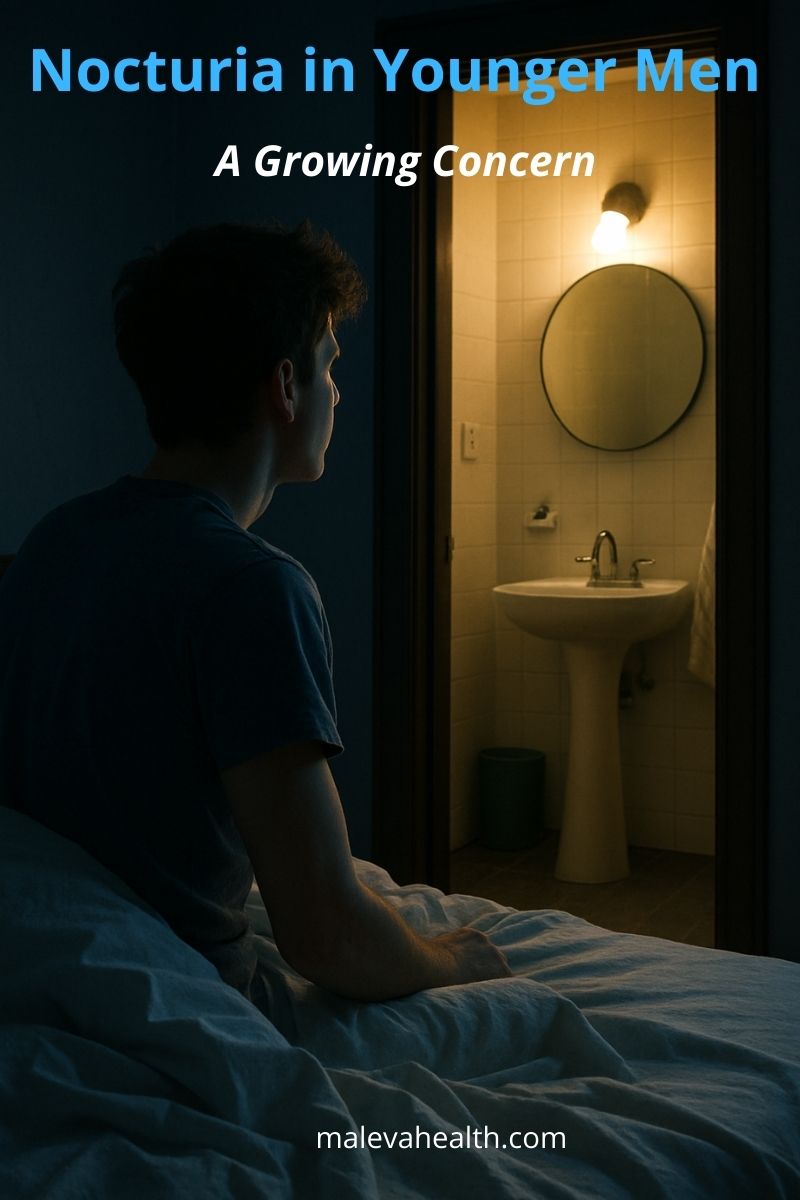
Nocturia in younger men is becoming an increasingly common issue. While many associate nighttime urination with aging, more men under 40 are experiencing disrupted sleep due to frequent bathroom trips. Understanding the causes and practical solutions is key to restoring restful nights and overall health.
When you wake up with a strong urge to pee, it is crucial to realize that it is not necessarily a serious condition, but it can still be a sign of one.
In this article, we’ll explore why nocturia occurs in younger men, which lifestyle factors contribute to it, and how simple, natural strategies can reduce its frequency. You’ll also find links to further resources on managing prostate health, even at a younger age.
Why Nocturia Happens in Younger Men

Nighttime urination in younger men often stems from lifestyle factors rather than age-related conditions like BPH. Common contributors include:
- Excessive evening fluid intake: Large amounts of water, coffee, or alcohol close to bedtime can trigger multiple nighttime trips.
- High caffeine consumption: Coffee, tea, and energy drinks act as diuretics, increasing urine production.
- Sedentary lifestyle: Poor circulation and lack of movement during the day can increase urinary urgency at night.
- Sleep habits: Irregular sleep patterns or screen exposure before bed affect hormones like ADH, which regulate urine production.
Tip: Track your fluid intake and bedtime habits for a week. You may notice patterns that reveal why your nocturia occurs.
Potential Health Factors

While lifestyle habits are often the main culprit in younger men, certain conditions can contribute:
- Urinary tract infections (UTIs)
- Diabetes or insulin resistance
- Overactive bladder or bladder inflammation
- Medications with diuretic effects
It’s always wise to consult a healthcare professional if nocturia is persistent, painful, or accompanied by other symptoms.
Lifestyle Adjustments to Reduce Nocturia
Small changes in daily habits can make a significant difference:
- Limit evening fluids: Reduce water, caffeine, and alcohol intake 2–3 hours before bed.
- Optimize caffeine consumption: Try to keep caffeine to mornings and early afternoons.
- Exercise regularly: Daily movement improves circulation and bladder function.
- Establish consistent sleep routines: Stick to a steady sleep schedule and minimize late-night screen time.
- Use the bathroom before bed: Empty your bladder fully to minimize nighttime trips.
For men over 60 or those with prostate concerns, it might be a good idea to understand how your lifestyle and age affect your sleep patterns.
Natural Supplements and Bladder Support

Even younger men can benefit from supplements that support bladder health and reduce nighttime urination:
- Saw Palmetto: Helps maintain healthy urinary flow.
- Beta-Sitosterol: Supports prostate and bladder function.
- Pygeum: Aids in reducing inflammation and supporting urinary control.
Today, many natural solutions can help relieve prostate symptoms naturally, without having to see your doctor. They can help if you feel too embarrassed to discuss it with your doctor.
When to Seek Medical Advice
If lifestyle changes and supplements don’t reduce nocturia, or if symptoms worsen, consult a healthcare professional. Persistent nocturia can indicate underlying issues such as diabetes, urinary tract infections, or bladder problems that require medical evaluation.
Sometimes men are dismissive of their own health due to pride or fear, but knowing when to worry about waking up to pee can be the difference between getting treated and suffering in silence.
Conclusion
Nocturia in younger men may be on the rise, but it’s often manageable with lifestyle adjustments, natural supplements, and mindful habits. By understanding the causes and taking proactive steps, younger men can restore restful sleep and improve overall well-being.
For further reading on managing urinary health at any age, check out How to Prevent Prostate Issues Naturally and Natural Treatments for Prostate Enlargement.