
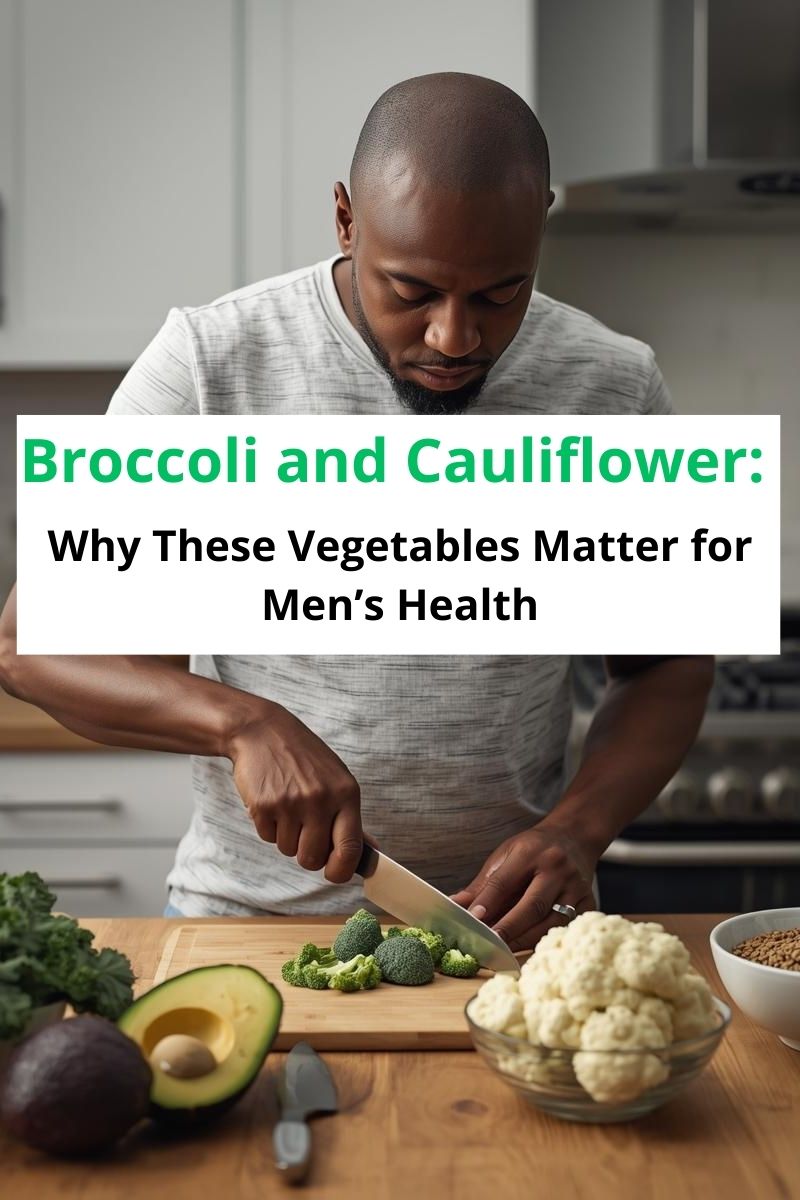
Broccoli and cauliflower are often treated as “boring” vegetables — something people eat because they should, not because they expect real benefits.
However, these two vegetables belong to a group that consistently appears in research and in traditional dietary patterns associated with long-term health, particularly among men.
They’re not magic foods.
They’re support foods — the kind that work quietly in the background when eaten consistently.
What Makes Broccoli and Cauliflower Different From Other Vegetables
Broccoli and cauliflower are part of the cruciferous vegetable family.
What makes them unique isn’t just their vitamins or minerals — it’s the natural compounds they contain that interact with the body’s detoxification and inflammation pathways.
These compounds support how the body:
- processes waste
- manages inflammation
- responds to hormonal changes
This is one reason cruciferous vegetables are often discussed in relation to men’s health, as well as antioxidant-rich foods.
Why Men Tend to Notice the Benefits More Over Time
As men get older, their bodies become less tolerant of dietary extremes.
Highly processed foods may lead to:
- bloating
- digestive discomfort
- sluggish energy
- low-grade inflammation
Broccoli and cauliflower are:
- fiber-rich
- low in sugar
- gentle on blood sugar
When eaten regularly, they tend to feel supportive rather than disruptive.
Cruciferous Vegetables and Inflammation
Inflammation isn’t always dramatic.
Often, it shows up subtly as:
- discomfort
- sensitivity
- slower recovery
- digestive irregularity
Broccoli and cauliflower contain natural compounds that help the body maintain balance rather than overstimulation.
This is one reason diets centered on whole foods often feel calmer over time than those high in refined ingredients.
A Note on Digestion (And Why Preparation Matters)
Some people avoid broccoli or cauliflower because they associate them with bloating.
That’s usually not the vegetable itself — it’s how it’s prepared.
Gentler options include:
- lightly steaming
- roasting
- blending into smoothies in small amounts
When prepared properly, these vegetables often become easier to digest, not harder.
Why These Vegetables Are Often Linked to Prostate Health
Broccoli and cauliflower are frequently discussed in the context of prostate health because they support systems involved in hormone metabolism and the regulation of inflammation.
That doesn’t mean they “treat” anything.
It means they support the body’s natural balance — especially when eaten as part of a consistent, whole-food diet.
This is why they recur in discussions of men’s health.
How Broccoli and Cauliflower Fit Into Smoothies
Many people are surprised to learn that broccoli and cauliflower can work well in smoothies.
When used correctly:
- flavor stays mild
- texture blends smoothly
- nutrients remain intact
Frozen cauliflower, in particular, is almost neutral in taste and pairs well with berries or cocoa.
This makes it easy to incorporate cruciferous vegetables without substantially altering dietary habits.
Broccoli, Fiber, and Blood Sugar Balance
Fiber plays a role in:
- slowing digestion
- reducing sharp blood sugar spikes
- supporting fullness
Broccoli and cauliflower provide fiber without excess carbohydrates, which makes them useful for people trying to maintain steadier energy throughout the day.
This is one reason they often appear in blood-sugar–friendly meal plans.
Whole Foods vs. Isolated Compounds
It’s tempting to look for supplements that isolate the “active” compounds in broccoli.
But whole foods tend to work better because:
- compounds work together
- digestion happens gradually
- the body responds more predictably
Broccoli and cauliflower don’t need to be optimized — they need to be eaten consistently.
How This Connects to Oral, Gut, and Overall Health
When digestion improves and inflammation feels lower, people often notice secondary benefits:
- more comfortable digestion
- better oral comfort
- steadier appetite
- fewer cravings
This isn’t because broccoli “fixes” everything — it’s because systems in the body are connected.
Supporting one area often supports others.
Final Thoughts
Broccoli and cauliflower aren’t trendy foods — and that’s their strength.
They support the body quietly, consistently, and predictably when eaten as part of a balanced diet.
You don’t need large amounts.
You don’t need perfection.
You just need repetition.
That’s how long-term health habits actually work.