
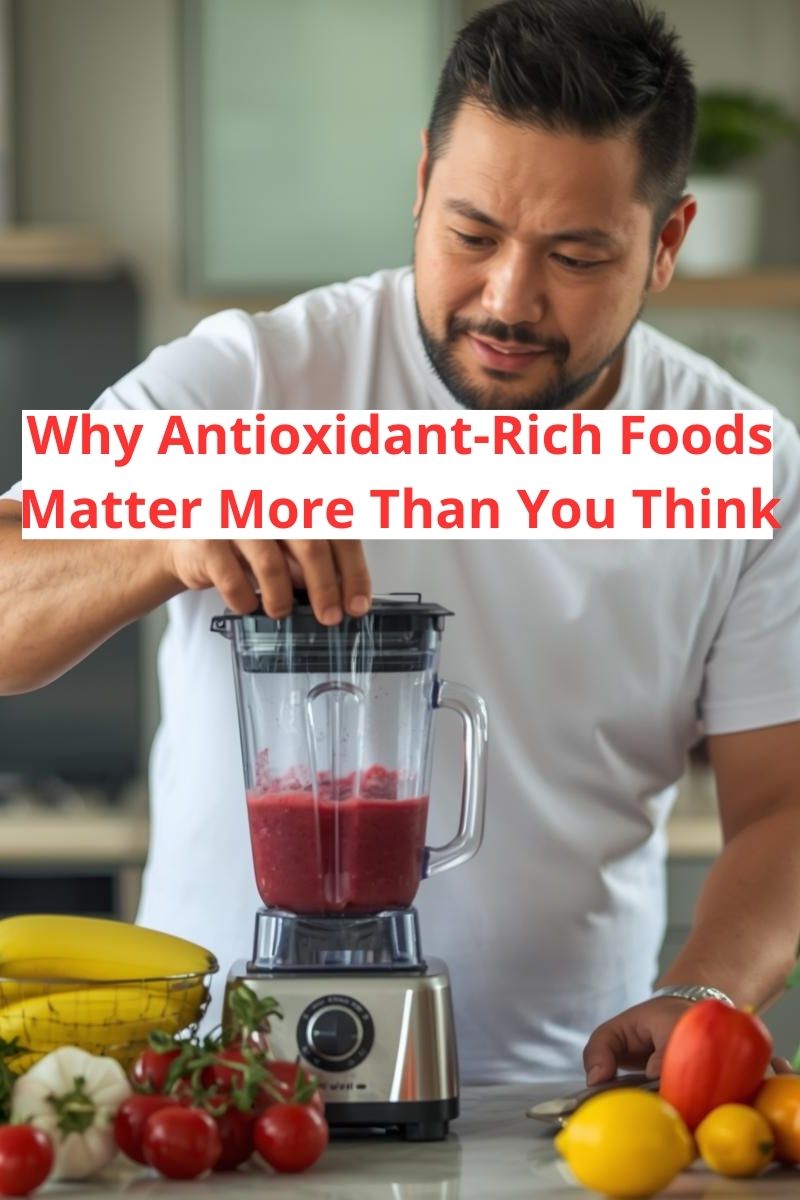
Antioxidants are one of those health topics most people have heard about but rarely understand in practical terms. They’re often mentioned in passing—linked to aging, inflammation, or “superfoods”—but rarely explained in a way that connects them to everyday habits.
The truth is, antioxidants don’t work in isolation. They support the body best when they’re part of a broader, consistent way of eating—especially when combined with fiber-rich, whole foods.
And that’s where many people start noticing real, tangible differences.
What Antioxidants Actually Do (Without the Hype)
At a basic level, antioxidants help the body manage oxidative stress—a natural process that happens as cells produce energy.
Oxidative stress isn’t inherently bad. It’s part of normal metabolism. The issue arises when it accumulates faster than the body can regulate it, often due to:
- highly processed foods
- chronic stress
- poor sleep
- lack of nutrient-dense foods
Antioxidants help neutralize excess oxidative activity, supporting balance rather than trying to “eliminate” it entirely.
Why Antioxidants Feel More Important as You Get Older
As we age, the body becomes less forgiving of extremes.
Foods that once felt harmless can suddenly lead to:
- inflammation
- bloating
- digestive discomfort
- sluggish energy
This is why many people—especially men over 40—notice that whole, antioxidant-rich foods feel easier on the body than highly processed options.
It’s not about perfection. It’s about choosing foods that the body recognizes and handles efficiently.
Antioxidants, Fiber, and the Inflammation Connection
One reason antioxidant-rich foods work so well is that they usually come packaged with fiber.
Fiber supports:
- digestion
- gut motility
- more stable blood sugar
- reduced digestive stress
When digestion runs smoothly, the body spends less energy “reacting” and more energy maintaining balance.
This is why inflammation often feels lower when meals are based on whole foods rather than refined ones.
A Personal Observation (And Why It Matters)
One thing I’ve personally noticed is that when I eat antioxidant-rich, fiber-dense foods, I feel full longer—and not in a heavy way.
There’s a noticeable difference in how my body feels:
- my mouth feels fresher
- my digestion feels calmer
- I don’t feel bloated or sluggish
Ultra-processed foods, especially white bread, tend to have the opposite effect on me. They sit heavily, disrupt digestion, and leave me feeling hungry again too quickly.
On the other hand, foods like:
- sourdough bread
- porridge
- vegetables
seem to help my body function more smoothly overall.
That consistency matters more than any single “superfood.”
Whole Foods vs. Processed Foods: Why the Difference Is So Noticeable
Highly processed foods are designed to be digested quickly. They often:
- lack fiber
- spike blood sugar
- stimulate appetite rather than satisfy it
Whole foods digest more slowly, which gives the body time to respond appropriately and support healthy habits over time.
Antioxidants in whole foods work best when digestion isn’t rushed—another reason smoothies made with whole ingredients tend to feel more satisfying than juices or refined snacks.
Why Smoothies Are a Practical Way to Get Antioxidants
Smoothies aren’t magical—but they’re convenient.
When built properly, they allow you to combine:
- antioxidant-rich fruits and vegetables
- fiber
- healthy fats
- protein
in a way that’s easy to repeat daily.
Homemade smoothies made with whole ingredients are often more nourishing and easier to build into daily routines than store-bought options, especially in a busy life.
Consistency is what makes antioxidants effective over time—not chasing rare ingredients or extreme diets.
Antioxidant-Rich Foods That Fit Easily Into Smoothies
Some foods blend particularly well and are naturally rich in antioxidants:
- berries
- leafy greens
- cocoa or cacao
- seeds
- cruciferous vegetables like broccoli or cauliflower
These foods also tend to support digestion and fullness, making them practical rather than theoretical choices.
The Common Mistake People Make With Antioxidants
Many people focus on maximizing antioxidants instead of supporting balance.
This often leads to:
- overdoing juices
- relying on supplements alone
- ignoring fiber and digestion
The body doesn’t benefit from antioxidants in isolation. They work best as part of a broader pattern of eating and living.
How Antioxidants Fit Into a Bigger Health Picture
When digestion improves and inflammation feels lower, people often notice secondary benefits:
- better oral health
- more stable energy
- fewer cravings
- improved overall comfort
That’s not because antioxidants “fix” everything—but because they support systems that are already interconnected.
That’s why I have added some antioxidant-focused smoothie recipes to share what I personally like.
Final Thoughts
Antioxidants don’t need to be dramatic to be effective.
When combined with fiber-rich, whole foods and eaten consistently, they support the body in subtle but meaningful ways—especially over time.
The biggest benefits don’t come from chasing trends, but from choosing foods that help your body feel calm, satisfied, and supported day after day.