
If you’ve paid even a little attention to health news lately, you’ve probably heard people talking about GLP-1. It’s often mentioned in connection with appetite control, blood sugar balance, and weight management — sometimes in the context of injections or medications.
But here’s the part that often gets overlooked:
Your body already produces GLP-1 naturally.
You don’t need extreme diets or pharmaceutical shortcuts to support it. In fact, everyday food choices — especially what you don’t eat — can make a noticeable difference in how full, satisfied, and balanced you feel.
What GLP-1 Actually Does (Without the Medical Jargon)
GLP-1 (glucagon-like peptide-1) is a hormone released in your gut when you eat. Its job is to help your body process food more effectively.
In simple terms, GLP-1:
- Signals fullness to your brain
- Slows digestion so you stay satisfied longer
- Helps regulate blood sugar after meals
- Reduces constant hunger and cravings
When GLP-1 is working well, you don’t feel the urge to snack endlessly or chase energy spikes throughout the day. Your appetite feels calmer and more predictable.
Learning how to support stable blood sugar levels may help lower the risk of developing type 2 diabetes later in life.
Why Ultra-Processed Foods Disrupt Natural GLP-1 Signaling
One of the biggest obstacles to healthy GLP-1 activity isn’t a lack of “special foods” — it’s the presence of ultra-processed foods.
Ultra-processed foods are engineered to:
- Digest extremely fast
- Spike blood sugar quickly
- Override natural satiety signals
These foods don’t give your gut the chance to properly release GLP-1. Instead of feeling full, you often feel hungrier shortly after eating.
That’s one reason many people notice this pattern:
Eat ultra-processed food → feel full briefly → cravings return quickly
Over time, this trains the body to ignore its own fullness signals.
Ultra-processed foods affect your overall health and are the worst for other organs, such as the prostate and your oral health.
A Simple Personal Observation (That Matches the Science)
This is something I’ve noticed very clearly myself.
When I eat cabbage or other cruciferous vegetables, I feel fuller for much longer — not heavy or bloated, just genuinely satisfied. The contrast is striking compared to meals built around ultra-processed foods, which tend to leave me hungry again far too soon.
I don’t eat much ultra-processed food anymore, and one reason is exactly this:
whole foods keep me full in a way processed foods never did.
That sensation isn’t random — it’s a sign that GLP-1 and other satiety hormones are doing their job.
Foods That Naturally Support GLP-1 Release

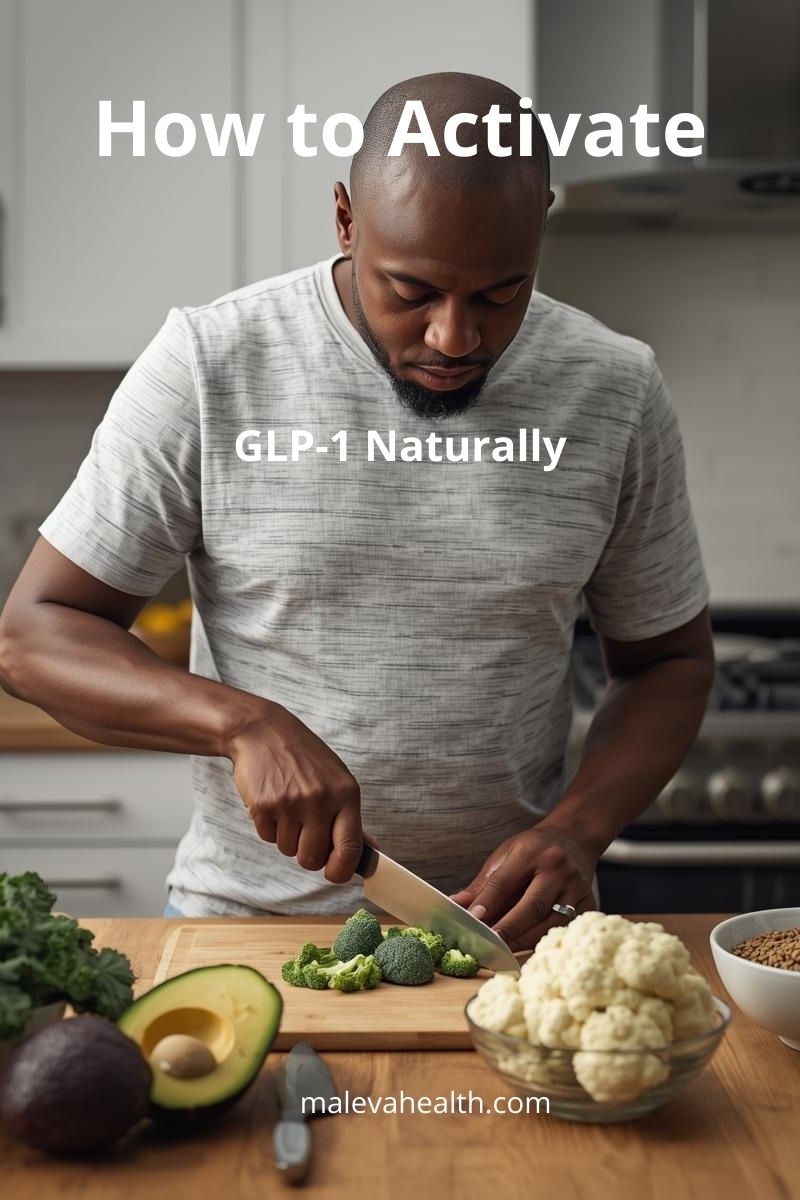
🥬 Cruciferous Vegetables (Cabbage, Broccoli, Cauliflower)
These vegetables are especially powerful because they:
- Are rich in fiber
- Digest slowly
- Feed beneficial gut bacteria
Cabbage, in particular, is underrated. It’s affordable, easy to prepare, and creates a strong feeling of fullness without excess calories.
🫘 Fiber-Rich Foods
Dietary fiber plays a central role in GLP-1 release.
Examples include:
- Lentils and beans
- Oats
- Vegetables
- Seeds
Fiber slows digestion, giving your gut time to send proper satiety signals to your brain.
🥑 Healthy Fats
Healthy fats help prolong digestion and stabilize blood sugar.
Good options include:
- Olive oil
- Avocados
- Nuts and seeds
When paired with fiber, fats help amplify the fullness response.
🍳 Protein
Protein stimulates GLP-1 more effectively than carbohydrates alone.
Sources include:
- Eggs
- Fish
- Lean meats
- Fermented dairy (if tolerated)
The Gut–GLP-1 Connection (Why Your Microbiome Matters)
GLP-1 is released in the gut, which means gut health plays a major role in how well it functions.
A healthy gut microbiome:
- Improves GLP-1 signaling
- Enhances digestion
- Reduces inflammation
Fermented foods and fiber work together here. Fiber feeds beneficial bacteria, and fermented foods help introduce them.
This is also why people often feel better appetite control when they clean up their diet — the gut environment itself improves.
The gut doesn’t work in isolation — oral health plays a role in how the body handles inflammation and digestion.
Daily Habits That Help Activate GLP-1 Naturally
You don’t need perfection. Small, consistent habits make a difference.
Try these:
- Eat slowly and without distractions
- Start meals with vegetables or fiber-rich foods
- Avoid liquid calories when possible
- Walk lightly after meals
- Build meals around whole foods first
These habits give your body the conditions it needs to regulate appetite on its own.
Remember that your prostate will also benefit from a lot of these daily habits.
GLP-1 vs the “Quick Fix” Mentality
It’s understandable why GLP-1 injections became popular — modern life has made natural appetite regulation harder than it should be.
But even when medications exist, lifestyle still matters:
- Long-term metabolic health depends on habits
- Gut health doesn’t improve through shortcuts
- Natural satiety builds resilience over time
Supporting GLP-1 naturally isn’t about extremes — it’s about removing blockers and letting your body work as intended.
Frequently Asked Questions
Can you increase GLP-1 naturally?
Yes. Diet, gut health, and eating habits all influence GLP-1 release.
What foods increase GLP-1 the most?
Fiber-rich foods, cruciferous vegetables, protein, and healthy fats are the most supportive.
How long does it take to notice changes?
Some people notice improved fullness within days of reducing ultra-processed foods and increasing fiber.
Is GLP-1 only about weight loss?
No. GLP-1 supports blood sugar balance, digestion, and overall metabolic health.
Final Thoughts
Your body already knows how to regulate appetite.
When you stop overwhelming it with ultra-processed food and start feeding it real, whole ingredients — like cabbage and other cruciferous vegetables — natural satiety returns.
No extremes. No shortcuts.
Just supporting the system that’s already there.