
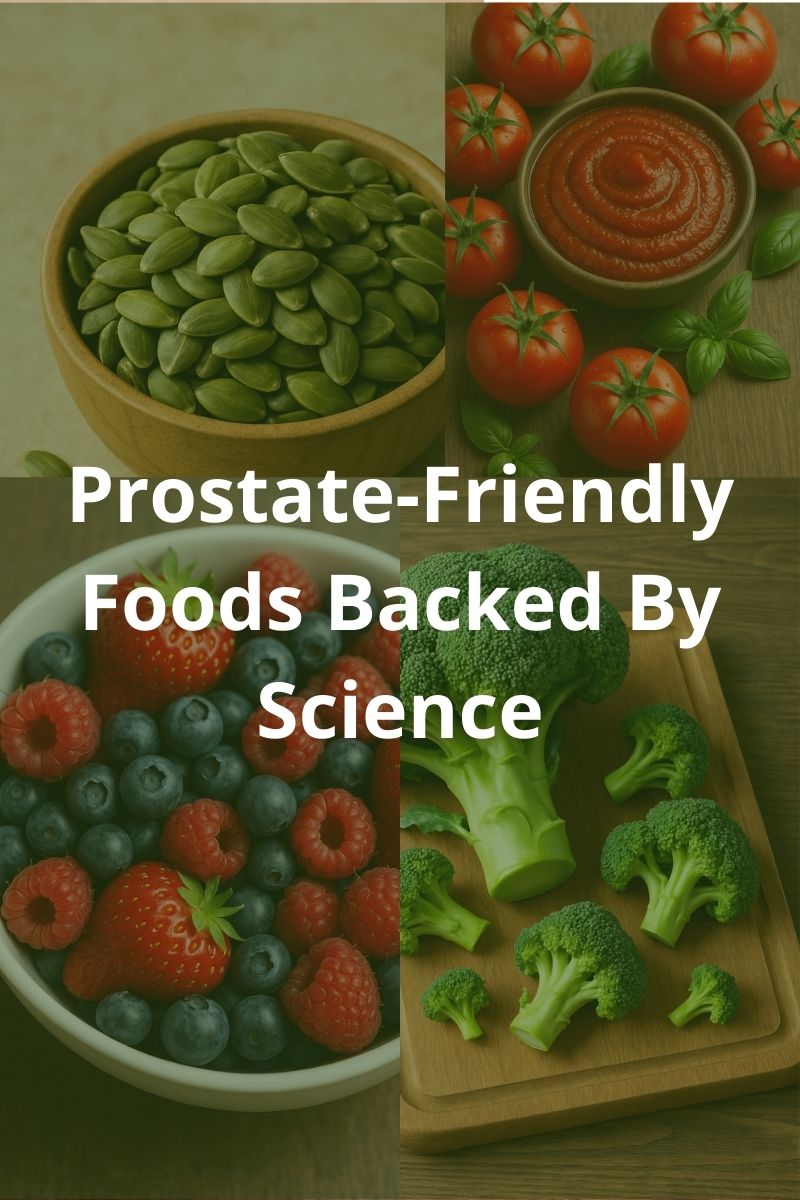
When it comes to prostate health, many men look first at medications or supplements. But what often gets overlooked is one of the most powerful levers you already control every single day — your diet.
Certain foods are scientifically linked to reduced inflammation, better urinary health, and even lower risk of prostate enlargement and cancer. In a previous article, I highlighted the 5 Worst Foods for Your Prostate. Today, let’s flip the script and look at the foods that support your prostate instead.
Including more prostate-friendly foods in your diet is one of the simplest and most natural ways to support men’s health over time.
1. Tomatoes (rich in lycopene)

Among the most prostate-friendly foods, tomatoes stand out thanks to their high lycopene content.
Tomatoes aren’t just a colorful addition to your plate — they’re one of the richest dietary sources of lycopene, a powerful antioxidant. Lycopene helps protect cells from oxidative damage, which is believed to play a role in the development of prostate cancer.
Nutritional Highlights
- Lycopene (antioxidant)
- Vitamin C & potassium
What Research Says
Men who eat more tomato-based foods such as tomato sauce, soup, or paste have shown a reduced risk of prostate cancer in several large observational studies. Interestingly, lycopene is more bioavailable when tomatoes are cooked, meaning spaghetti sauce may be better for your prostate than raw slices on a sandwich.
Easy Way to Eat More
- Add roasted tomatoes to salads.
- Use tomato paste in stews.
- Swap cream-based sauces for tomato-based pasta dishes.
👉 For a deeper dive into which foods to avoid alongside tomato-rich meals, see our guide on the 5 Worst Foods for Your Prostate.
2. Broccoli & Cruciferous Vegetables

Broccoli belongs to the family of prostate-friendly foods that may lower inflammation and help protect cells from damage.
Cruciferous vegetables like broccoli, cauliflower, and Brussels sprouts contain sulforaphane — a compound linked to cancer prevention and reduced inflammation.
👉 Aim to eat a serving of broccoli or another cruciferous veggie several times a week.
Science has proven it. Read NIH – Cruciferous vegetables and cancer prevention to get all the details.
3. Pumpkin Seeds (zinc + phytosterols)

Pumpkin seeds, often overlooked as a simple snack, are a powerhouse when it comes to prostate health. They’re rich in zinc, a mineral crucial for testosterone production and prostate tissue function. They also contain phytosterols, plant compounds shown to help reduce urinary symptoms of benign prostatic hyperplasia (BPH).
Pumpkin seeds are often overlooked, but they are definitely on the list of prostate-friendly foods every man should try.
Nutritional Highlights
- Zinc (supports hormone health)
- Phytosterols (linked to reduced BPH symptoms)
- Magnesium & healthy fats
What Research Says
Clinical studies suggest that men with adequate zinc intake have a lower risk of prostate enlargement. Traditional medicine in Europe has long used pumpkin seed extract as part of natural therapies for urinary problems.
Easy Way to Eat More
- Sprinkle roasted pumpkin seeds over oatmeal.
- Blend them into smoothies for extra protein.
- Use pumpkin seed oil in salad dressings.
👉 If you’re looking for more natural ways to ease urinary problems, see How to Reduce Prostate Symptoms Naturally
4. Green Tea (catechins)

Green tea is packed with antioxidants called catechins, which may slow prostate cell growth and reduce inflammation. Some studies suggest regular consumption supports urinary health as well.
Green tea is also one of the most studied prostate-friendly foods, known for its antioxidant catechins.
👉 Drink 2–3 cups daily, or try it iced in summer.
Quick Reference: The Best Foods for Prostate Health
| Food | Key Nutrients | Prostate Benefit |
|---|---|---|
| Tomatoes | Lycopene, Vitamin C | Antioxidant that may lower prostate cancer risk, best absorbed when cooked. |
| Broccoli & crucifers | Sulforaphane, Fiber | May reduce inflammation and protect against abnormal cell growth. |
| Pumpkin seeds | Zinc, Phytosterols, Magnesium | Support testosterone balance and may ease urinary symptoms of BPH. |
| Green tea | Catechins, Polyphenols | Antioxidants linked to slower prostate cell growth and reduced inflammation. |
| Pomegranate | Polyphenols, Antioxidants | Research suggests slower progression of prostate cancer. |
| Salmon & fatty fish | Omega-3 (EPA, DHA), Vitamin D | Anti-inflammatory, may support hormone balance and reduce cancer risk. |
| Soy products | Isoflavones, Plant protein | Associated with lower prostate cancer rates in high-soy diets. |
| Berries | Vitamin C, Flavonoids, Antioxidants | Reduce oxidative stress and support urinary function. |
| Turmeric | Curcumin | Potent anti-inflammatory, may reduce prostate enlargement symptoms. |
| Nuts | Selenium, Healthy fats, Vitamin E | Support hormone health and antioxidant defense. |
| Legumes | Fiber, Isoflavones, Plant protein | Help regulate hormones and reduce prostate risks. |
| Garlic & onions | Organosulfur compounds | May protect against cancer and improve immune defense. |
5. Pomegranate

Pomegranate juice and extract are rich in polyphenols and antioxidants. Research indicates they may slow the progression of prostate cancer and improve overall prostate health.
When people ask about prostate-friendly foods with potent antioxidant effects, pomegranate almost always makes the list.
👉 Add fresh pomegranate seeds to yogurt or salads.
6. Salmon & Fatty Fish (omega-3)

Not all fats are created equal — and when it comes to prostate health, the omega-3 fatty acids in fatty fish like salmon, sardines, and mackerel are particularly valuable. Omega-3s reduce inflammation throughout the body, which is key since chronic inflammation has been linked to prostate enlargement and cancer risk.
Salmon and other fatty fish are not only heart-healthy but also excellent prostate-friendly foods because of their omega-3 content.
Nutritional Highlights
- Omega-3 fatty acids (EPA & DHA)
- Vitamin D
- High-quality protein
What Research Says
A balanced diet that includes fish at least twice per week is associated with better cardiovascular health and potentially lower prostate risk. Some studies suggest omega-3s may slow tumor growth and improve overall immune response.
Easy Way to Eat More
- Grill salmon with lemon and herbs twice a week.
- Try sardines on whole-grain toast.
- Add canned mackerel to salads for a quick protein boost.
👉 Curious how supplements can complement these foods? Read our guide on the Best Prostate Supplements for Frequent Urination.
7. Soy Products (isoflavones)

Soy contains isoflavones, which may lower the risk of prostate cancer. Asian populations, where soy consumption is higher, show significantly lower rates of prostate issues.
👉 Include tofu, tempeh, or edamame as part of your weekly diet.
If you’re skeptical, you should know that science has proven it. Here’s a link to a study that might convince you.
8. Berries (antioxidants + vitamin C)

Blueberries, strawberries, and raspberries are rich in antioxidants and vitamin C, which support the immune system and reduce oxidative stress that can harm the prostate.
👉 Add a handful of berries to your breakfast oatmeal.
9. Turmeric (curcumin)

Turmeric has been used for centuries in traditional medicine, and modern science is now catching up. Its active compound, curcumin, has potent anti-inflammatory and antioxidant effects. For men dealing with an enlarged prostate, this means turmeric may help reduce swelling and ease urinary difficulties.
Turmeric deserves its place among prostate-friendly foods since curcumin is such a powerful anti-inflammatory compound.
Nutritional Highlights
- Curcumin (potent anti-inflammatory)
- Antioxidant support
What Research Says
Studies show that curcumin may inhibit the growth of prostate cells and reduce markers of inflammation. When paired with black pepper (piperine), curcumin absorption increases by up to 2000%.
Easy Way to Eat More
- Add a teaspoon of turmeric to curries or soups.
- Blend into golden milk with warm almond milk and honey.
- Sprinkle on roasted vegetables with olive oil and pepper.
👉 For more gentle, non-invasive strategies that complement dietary changes, see Natural Approaches That Work for Prostate Health
10. Nuts (selenium + healthy fats)

Walnuts, almonds, and Brazil nuts are excellent sources of selenium and healthy fats. Selenium, in particular, has been studied for its potential role in reducing prostate cancer risk.
Nuts are simple snacks that double as prostate-friendly foods, offering selenium and healthy fats in every handful.
👉 Snack on a small handful daily.
11. Legumes (fiber + isoflavones)

Beans, lentils, and chickpeas are high in fiber and plant-based protein. They support balanced hormones and may reduce the risk of prostate issues.
👉 Replace some red meat meals with lentil stews or bean-based dishes.
12. Garlic & Onions (organosulfur compounds)

Garlic and onions contain organosulfur compounds, which may help fight inflammation and protect against certain cancers, including prostate cancer.
👉 Use them liberally in cooking for both flavor and health benefits.
Foods That Complement a Prostate-Friendly Diet
Eating these foods regularly can make a huge difference — but remember, some foods work against you. That’s why we recommend checking out the 5 Worst Foods for Your Prostate to know what to avoid.
FAQ
Are bananas good for prostate health?
Yes, bananas can be part of a prostate-friendly diet. Bananas can be considered prostate-friendly foods, though they aren’t as scientifically backed as tomatoes or pumpkin seeds. While they aren’t explicitly linked to lowering prostate cancer risk, they provide potassium, magnesium, and vitamin B6 — all important for muscle and nerve function, including bladder control. Potassium helps regulate fluid balance, which may indirectly reduce nighttime urination. Eating a banana as part of a balanced breakfast with whole grains and nuts can support overall men’s health.
What drinks are best for the prostate?
The top three prostate-friendly drinks are green tea, water, and pomegranate juice.
Green tea contains catechins, which may slow abnormal prostate cell growth.
Water keeps the urinary tract flushed and reduces irritation.
Pomegranate juice is high in antioxidants that may slow cancer progression.
On the flip side, it’s best to limit alcohol, sugary sodas, and excessive coffee, as they may irritate the bladder or increase inflammation.
How much green tea should I drink for prostate health?
Most studies suggest that 2–3 cups per day is ideal. This amount provides a strong dose of antioxidants without risking side effects like insomnia or stomach upset from too much caffeine. If you’re sensitive to caffeine, try decaf green tea — it still contains many of the helpful catechins.
Is coffee good or bad for the prostate?
Coffee is a double-edged sword. Coffee isn’t usually listed among prostate-friendly foods because caffeine may irritate the bladder for some men. Moderate coffee intake may have some protective effects thanks to antioxidants, but too much caffeine can irritate the bladder and worsen urinary symptoms like urgency or frequency. For men with an enlarged prostate (BPH), it’s often recommended to limit intake to 1–2 cups per day and avoid drinking it late at night.
Which fruit is best for prostate health?
Several fruits are considered prostate-friendly, especially those high in antioxidants.
Tomatoes (technically a fruit) → rich in lycopene.
Berries → packed with vitamin C and flavonoids.
Pomegranates → linked to slower cancer progression.
As a rule of thumb, eat a variety of colorful fruits daily. Each color usually represents different antioxidants, which together provide a more substantial protective effect.
Can diet really prevent prostate problems?
Diet alone isn’t a guarantee against prostate disease, but research shows that nutrition plays a significant role in risk reduction and symptom management. Diets rich in vegetables, fruits, healthy fats (like omega-3), and whole grains are consistently linked to better prostate outcomes. Meanwhile, high consumption of red meat, processed foods, and sugary drinks is linked to a higher risk. In short, diet won’t replace medical care, but it’s one of the most powerful everyday tools men have to support their prostate.
Conclusion
Prostate health is about balance. By including these foods in your diet — and avoiding the worst offenders — you can naturally support your urinary health, hormone balance, and even reduce your long-term risks.
For more practical steps, check out our guide on How to Reduce Prostate Symptoms Naturally.
👉 And if you’re curious how prostate health ties into intimacy and performance, see our partner article on ChiRhoDating: Best Natural Remedies for Erectile Dysfunction Over 40.
By making prostate-friendly foods a consistent part of your meals, you’re giving your body a daily boost toward better prostate health.